Table of contents
Selecting the right duvet cover for every season can transform your sleep experience and the atmosphere of your bedroom. With so many fabrics, weights, and designs to choose from, it can be overwhelming to know what fits best for each time of year. Explore the following sections to discover expert guidance that will help you achieve year-round comfort and style in your bedding choices.
Understanding fabric choices
Choosing the right duvet cover materials is vital for achieving comfort and optimal temperature regulation throughout the year. Cotton stands out as a favored option among fabric types for bedding, prized for its breathability and softness, making it suitable for all-season fabric needs. Egyptian and Pima varieties are known for their smooth texture and durability, while a cotton sateen duvet, with its subtle sheen and silky touch, is especially desirable for those wanting a luxurious feel. Linen, by contrast, excels at moisture-wicking and is highly breathable bedding, which keeps users cool in the summer and provides insulation during colder months. Silk offers a naturally hypoallergenic surface, ensuring comfort and effective temperature regulation, but requires delicate care. Bamboo is another moisture-wicking choice that boasts both breathability and antimicrobial properties, making it appropriate for hot sleepers or those in humid climates. Microfiber, a synthetic option, is lightweight and easy to care for, though it may not offer the same breathability as natural fibers.
Understanding terms like thread count and weave is integral to selecting the best fabric types for bedding. Thread count refers to the number of threads woven into one square inch of fabric, and while a higher thread count often results in a softer duvet cover, excessively high numbers can reduce airflow and hinder breathability. The weave, such as percale or sateen, also impacts the feel and performance of the cover—percale offers a crisp, cool touch, ideal for summer nights, while sateen is smoother and warmer for cooler conditions. Selecting breathable bedding that matches your climate and sleeping preferences ensures restful sleep year-round and enhances the durability of your investment. For more information or to explore a variety of options, the cotton sateen duvet collection provides an excellent example of versatile, high-quality duvet cover materials.
Selecting the right weight
Choosing the correct duvet cover weight is a key factor in achieving comfortable sleep throughout the year. The weight of a duvet cover directly impacts insulation, influencing whether your bedding traps heat or encourages breathability. During warmer months, a summer duvet cover made from lightweight bedding materials, such as cotton percale or linen, provides a cooler sleeping environment, generally featuring a lower GSM (grams per square meter) rating—typically between 90 and 120 GSM. For transitional seasons, medium-weight duvet covers, with a GSM range from 120 to 170, offer a balanced level of insulation, making them versatile for spring and autumn. When winter arrives, heavier covers crafted from flannel or densely woven cotton, boasting a GSM of 170 or higher, help retain body heat and provide snug comfort on colder nights.
GSM bedding labels enable comparison of different fabrics by quantifying weight and thickness, contributing to an informed decision when searching for the ideal duvet cover weight. Higher GSM indicates denser, warmer covers suited to winter, while lower GSM signifies breathable and airy options for summer. Always check GSM specifications when shopping, as this value helps you select the optimal duvet cover to match seasonal needs, personal comfort preferences, and regional climates. This approach ensures that your bedding delivers both the desired level of insulation and year-round comfort, maximizing your investment in sleep quality.
Choosing seasonal colors and patterns
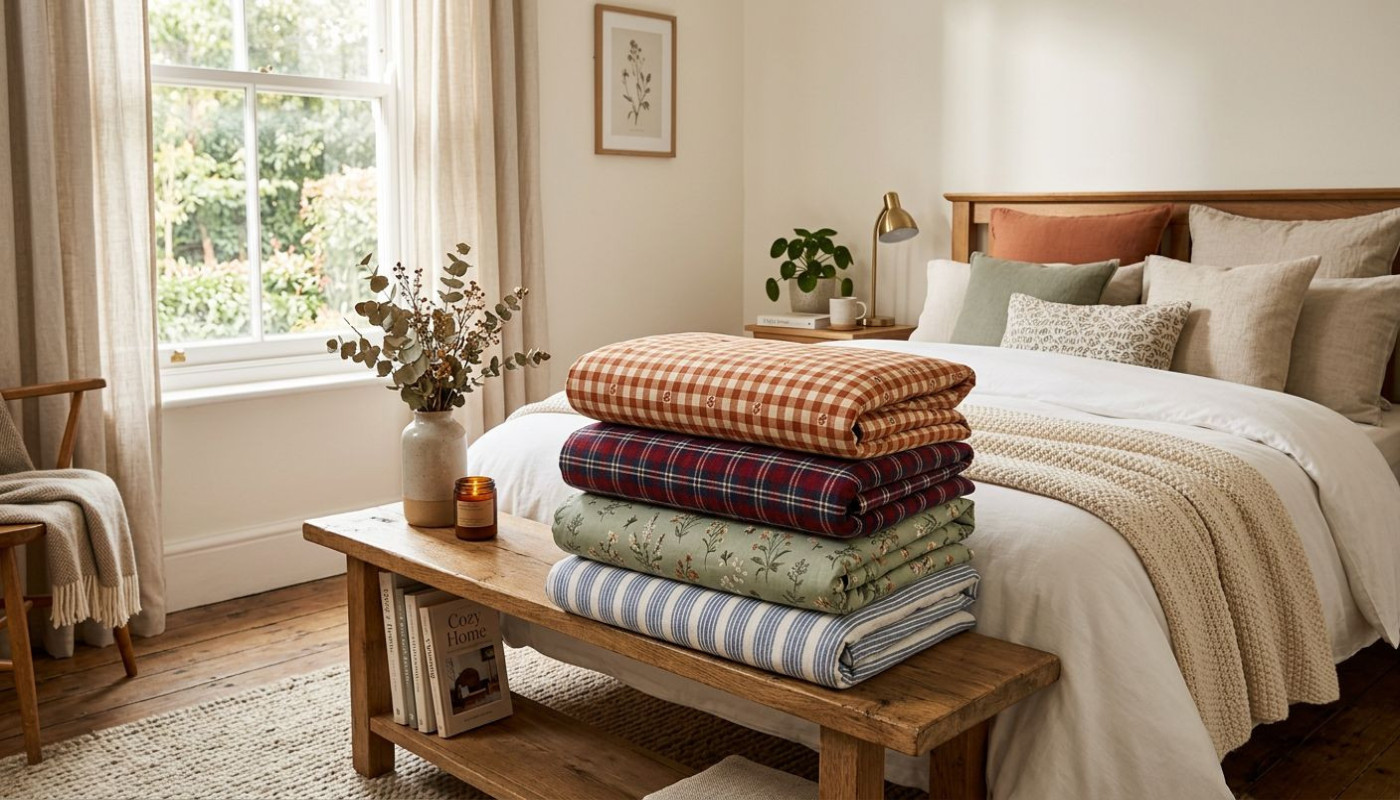
Selecting the right seasonal bedding colors and duvet cover patterns plays a significant role in creating a bedroom décor that feels fresh and inviting throughout the year. Studies in color psychology reveal that cool hues like light blues, soft greens, and gentle grays can promote a sense of calm, making them ideal for spring and summer, while deeper shades such as burgundy, forest green, or navy add warmth and comfort during autumn and winter. Patterns also contribute to the overall ambiance: florals or botanical prints evoke a lively, airy feel during warmer months, while geometric or textured designs offer a cozy, layered effect in colder seasons. To achieve a year-round bedding style, focus on versatile patterns and colors that complement a variety of accessories and decorative elements, ensuring your duvet cover feels appropriate no matter the season. Always consider colorfastness when choosing fabrics, as this guarantees that vibrant hues and intricate patterns remain vivid and beautiful after multiple washes, maintaining the bedroom’s visual harmony all year long.
Maintenance and care routines
Duvet cover care begins with understanding the specific laundering cycle suited to the fabric type, as cotton, linen, and blended materials each have unique requirements. Regular bedding maintenance involves washing duvet covers every one to two weeks, particularly during warmer months when perspiration increases. Using a gentle, hypoallergenic detergent reduces the risk of skin irritation and maintains the quality of hypoallergenic bedding. Always check the care label before laundering, avoiding high temperatures that may compromise fabric durability and lead to premature wear. A washable duvet cover should be turned inside out to preserve prints and colors, and fasten any buttons or zippers to prevent snags during the wash.
Adopting thorough care routines not only extends the lifespan of your duvet cover but also promotes a healthier sleeping environment by minimizing dust mites, pollen, and other allergens. Seasonal bedding maintenance, such as sun-drying or airing out duvet covers in addition to laundering, can further aid in allergen control and maintain freshness. Ironing on low heat or using a fabric steamer may help retain the cover’s shape and crispness, especially with natural fibers. In sum, conscientious duvet cover care—tailored to the material and season—ensures lasting fabric durability and optimal hygiene, making your bedding inviting year-round.
Adapting for special needs and climates
When selecting the perfect duvet cover, individuals with allergies or sensitive skin, as well as those living in regions with distinctive climate conditions, should prioritize adaptive bedding solutions. Opting for a hypoallergenic duvet cover made from tightly woven fabrics or coated with an allergen barrier can substantially reduce the presence of dust mites, pollen, and other common triggers. Sensitive skin bedding crafted from natural fibers like organic cotton or bamboo minimizes irritation while maintaining breathability. In climates with high humidity or drastic temperature changes, climate-appropriate bedding—such as covers featuring temperature-adaptive fabrics that wick moisture and regulate body heat—ensures comfort throughout the year. Allergy-friendly bedding with easy-care, antimicrobial finishes also offers peace of mind and preserves fabric freshness, supporting restful sleep and overall well-being, regardless of environmental challenges.
Similar

Does Wallpaper Still Impact Company Identity In A Digital-first World?

Indoor air quality essentials best houseplants for purifying your home environment

How To Choose The Perfect 7 Seater Sofa For Large Family Gatherings

The Allure Of Monochrome: How Black And White Art Adds Sophistication To Living Spaces

Embracing the Tiny House Movement: Less is More

Biophilic Design: Nature-Inspired Spaces that Enhance Well-Being

Upscaling Your Living Space with Innovative Storage
